Is Your Home Ready?
Queensland's Smoke Alarm Deadline Is Closer Than You Think - Is Your Home Ready?
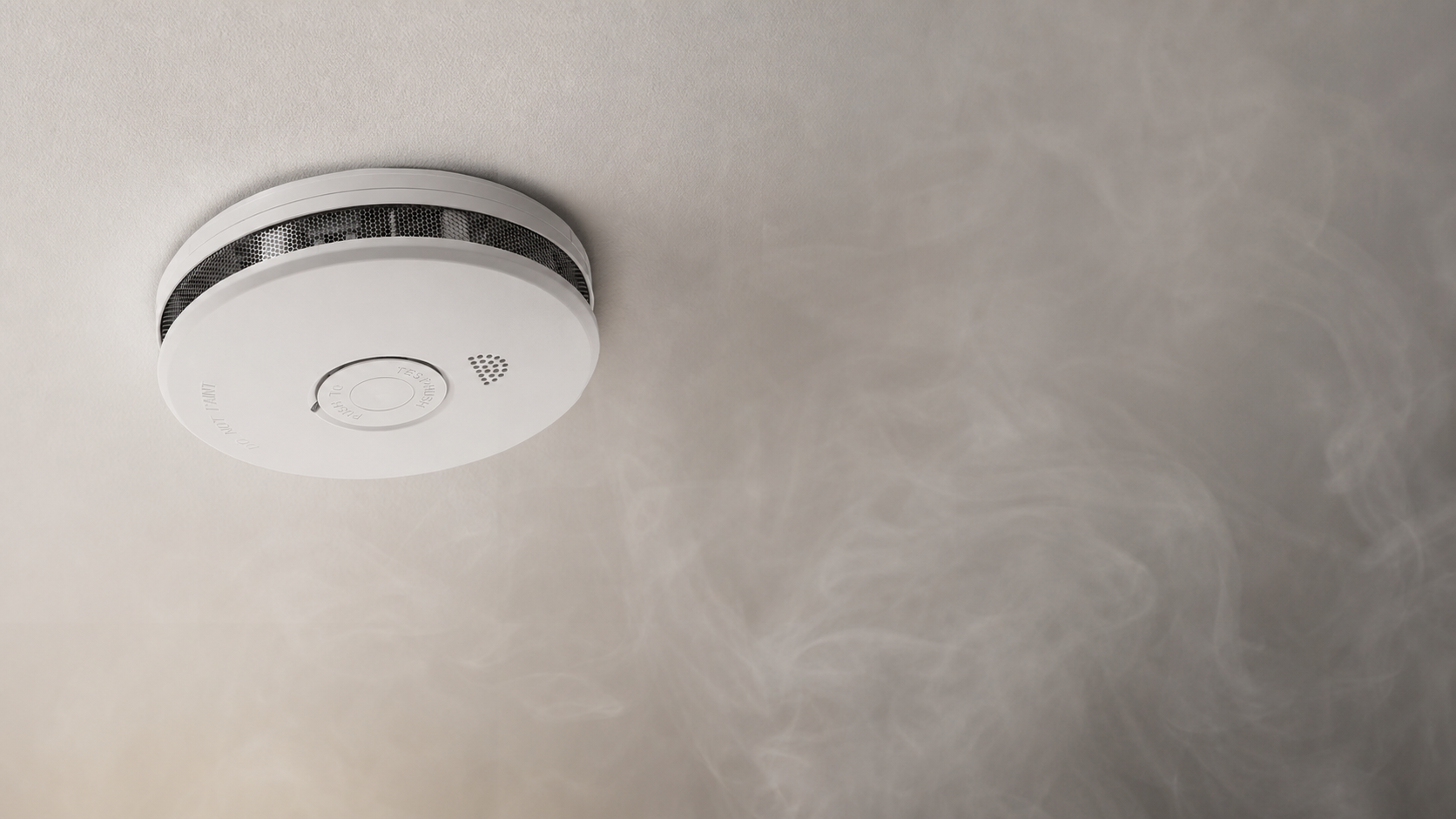
If you own and live in a home in Queensland, there's a deadline you can't afford to ignore: 1 January 2027. From that date, every single residential property in the state — whether you're in a house, townhouse, or unit — must comply with Queensland's upgraded smoke alarm laws. And with just over six months to go, now is the time to act.
Why Queensland Changed the Rules
The legislative overhaul didn't happen overnight. It was driven, in part, by devastating coronial findings linking residential fire fatalities to outdated or absent smoke alarm systems. The data is stark:
- In 2024 alone, Queensland families experienced more than 1,600 house fires.
- Over the past 25 years, the state has averaged around 10 residential fire-related deaths per year.
- More than one-third of home fire fatalities occur in homes without smoke alarms.
- The risk of dying in a house fire is cut in half when working smoke alarms are installed.
The old standard — a single alarm per storey — simply wasn't enough. Alarms could go off in one part of a home without waking sleeping occupants behind closed doors elsewhere. The updated legislation was designed specifically to address that flaw.
The Staged Rollout: Where We've Been
Queensland introduced the new requirements in stages under the Building Fire Safety (Domestic Smoke Alarms) Legislation Amendment Regulation 2016:
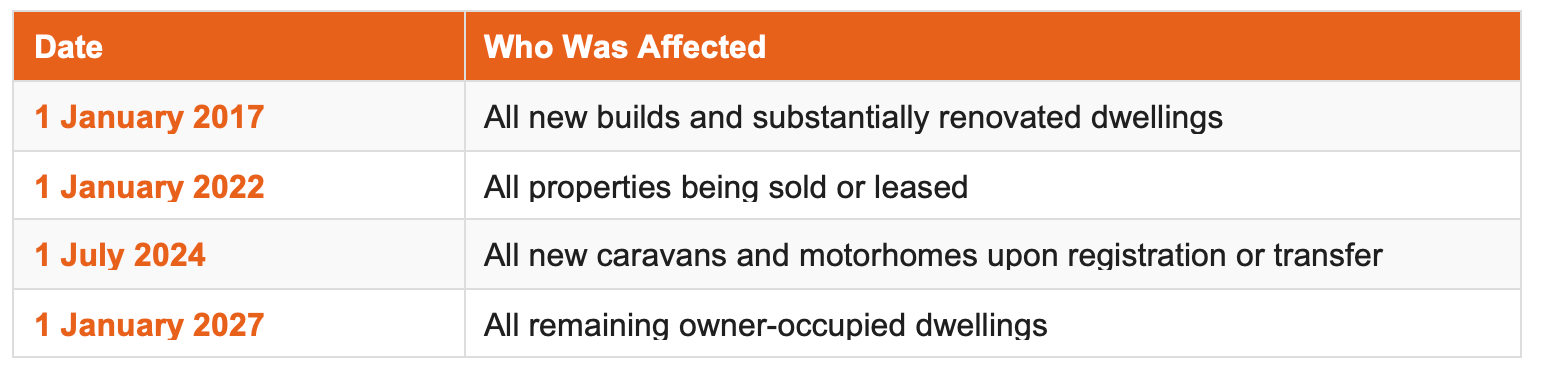
If you've sold or rented your property in the last few years, you're likely already compliant. But if you've been living in the same home since before 2022 without making changes, the final deadline now applies to you.
What the Law Requires
By 1 January 2027, every Queensland home must have smoke alarms that meet all of the following requirements:
1. Photoelectric Technology
Queensland requires photoelectric smoke alarms — alarms that detect visible smoke particles. The older ionisation-type alarms are no longer compliant. Photoelectric alarms respond more quickly to the slow, smouldering fires that are most common in residential settings.
All alarms must comply with Australian Standard AS 3786-2014, which is marked on the body of the alarm itself.
2. Interconnected
When one alarm activates, all alarms in the home must sound simultaneously. This is the interconnection requirement — a whole-home warning system rather than isolated beeps in a single room. Interconnection can be achieved via hardwiring or approved wireless systems, provided they meet the Australian Standard.
3. Powered Correctly
Alarms must be either:
- Hardwired (240V) to the mains power supply by a licensed electrician, with a secondary non-removable 10-year battery backup; or
- Powered by a non-removable 10-year lithium battery.
Standard replaceable-battery alarms are not compliant.
4. Installed in the Right Locations
Compliant alarms must be installed in:
- Every bedroom
- Every hallway that connects bedrooms to the rest of the home
- On every storey of the dwelling, including basements and lofts that form part of the living area
5. Above Energy Storage Systems (from 1 July 2026)
A newer addition to the legislation: from 1 July 2026, smoke alarms must also be installed above any energy storage system (such as a home battery or solar storage unit) located under the same roof as a habitable room.
What Homeowners Need to Do
Check your existing alarms. Look for the AS 3786-2014 marking on the body of each alarm (you may need to remove it from its bracket). If your alarms don't carry this marking, they are not compliant.
- Check the type. If your alarms are older ionisation-type units, they need to be replaced.
- Verify interconnection. Do all your alarms sound together when one is triggered? If not, your system is not compliant.
- Check placement. Are there alarms in every bedroom and connecting hallway on every level?
- Book an inspection. A licensed electrician can assess your entire system, advise on any gaps, and issue a compliance certificate confirming your property meets the legal requirements.
Don't Leave It Too Late
With the 1 January 2027 deadline less than seven months away, licensed electricians across Queensland are expecting a surge in demand. Booking an assessment sooner rather than later means you'll have time to address any issues without a last-minute rush — and without the legal and financial risks of non-compliance.
Beyond the legal requirement, compliant interconnected photoelectric smoke alarms are simply the best protection available for your family while they sleep. The legislation exists because it saves lives.
Key Resources
• Queensland Fire Department — fire.qld.gov.au/prepare/fire/smoke-alarms
• Queensland legislation summary — detectorinspector.com.au/queensland-smoke-alarm-2027
The information in this article is general in nature. For advice specific to your property, consult a licensed electrician.
You might also like